


Dune: Imperium Digital
4.9304.00 Reviews
App Specs
- Version
- 4.0.9.1737
- Updated On
- License
- $10.99
- Downloads
- 50,000+
- Developer
- Dire Wolf Digital
- Categories
- Board
- Platform
- Android, iOS
Screenshots
 Analysis by AppCompare
I like board games that make every turn feel like a choice rather than a formality, and this digital adaptation is built around that kind of tension. Dune: Imperium Digital asks you to weigh immediate gains against plans that may take several turns to pay off. It suits players who enjoy thinking ahead, but it is less appealing if you want a quick, relaxed game with little to learn.
What the purchase means
This is a paid board game, listed at $10.99, rather than a free download with the main experience offered at no cost. There are also in-app purchases priced at $9.99 per item, so I would check the purchase screen carefully before spending beyond the initial price. I wouldn’t assume those items are necessary to enjoy the game, but the extra spending option is worth knowing about if you are budgeting for a single, one-time purchase.
Its price makes more sense to me if you already enjoy strategic board games or expect to return to it repeatedly. If you are only curious about the setting, or unsure whether a layered strategy game will hold your attention, the upfront cost is a real reason to pause. I’d compare it with the price of a board game you already know you enjoy, not with a free casual puzzle.
Getting Started with Dune: Imperium Digital
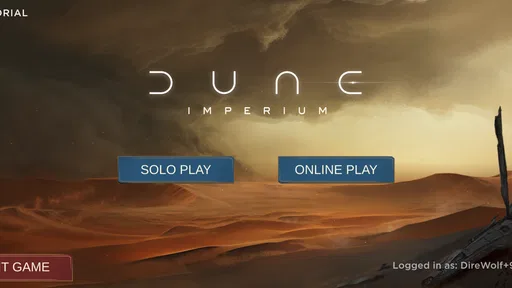
First things first, let’s talk about getting started. The game is available on both Android and iOS, which is great because it means you can crush your enemies from the comfort of your couch or while you’re on the go. After downloading and setting it up, you’re greeted with an interface that’s as sleek as a sandworm gliding through the desert. The tutorials are quite handy, getting you up to speed with the mechanics without overwhelming you.
How it fits into a real routine
For me, the best everyday use case is a quiet evening when I can give a game proper attention, rather than a few distracted minutes between errands. If I had a free half-hour and wanted something more involved than a casual mobile diversion, this would be a strong candidate: I can settle into its decisions and see a plan develop instead of treating each turn as an isolated tap. It also suits a shared game night when friends are interested in a strategic challenge, though the digital version is most compelling if everyone is ready to engage with the rules and pace.
On a commute or during a short break, I’d be more cautious. A strategy game can ask you to remember what you were working toward, and interruptions make that less satisfying. Before starting, I’d choose a time when I can concentrate and avoid beginning a match if I know I’ll need to leave moments later. That small bit of planning helps the game feel thoughtful rather than like another task to squeeze into the day.
The Gameplay Experience
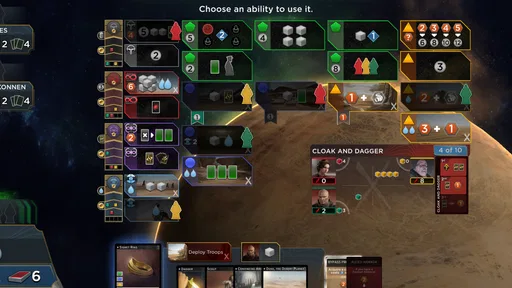
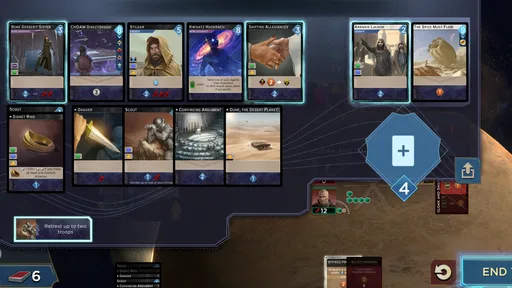
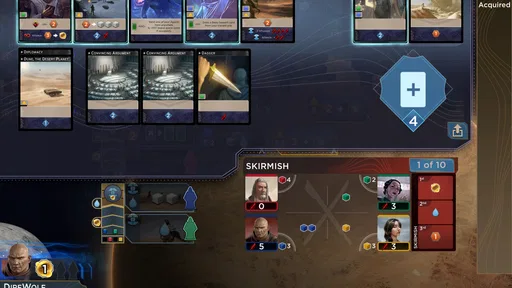
Alright, let’s dive into the gameplay. Dune: Imperium Digital artfully combines deck-building and worker placement, which keeps things fresh and exciting. You’re essentially juggling between expanding your deck and strategically placing your agents to gain advantages on the board. It’s a delicate balance that keeps you on your toes.
Worth Reading Before You Choose

Flipboard Shows What News Apps Must Do Beyond the Feed

Switching to Android Auto Means Rethinking Your Driving Routine

Google Calendar Makes a Crowded Week Easier to Manage

Ludo King Makes the Most of the Minutes Between Plans

Baby Panda World Brings Quick Play to Modern Phones, but Its Game Library Feels Busy

ESPN’s Live Game View Makes Following Close Games Easier
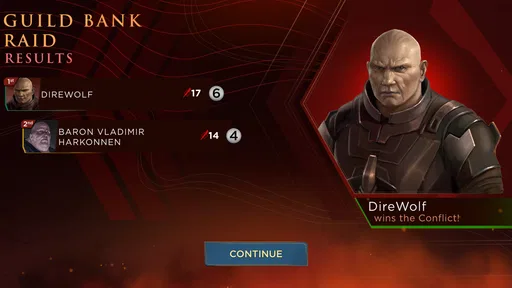
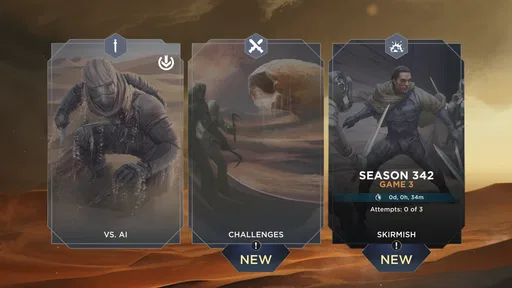
The game is rich in strategy, requiring you to carefully plan your moves and anticipate opponents’ strategies. The AI is surprisingly smart, offering a challenge that’s satisfying but not frustrating. And for those who prefer human competition, the online multiplayer mode is a fantastic way to test your skills against others.
The key practical lesson is to avoid judging a card only by what it gives you immediately. A card’s value depends on when it enters your hand and whether it helps you reach the spaces or resources you need; a powerful effect can be awkward if it arrives at the wrong moment. I’d pay attention to how a deck choice supports a broader plan, while keeping enough flexibility to respond when opponents occupy a space I wanted. That balance between commitment and adaptation is where the decisions become interesting.
When learning, I’d focus on understanding the connection between card play and agent placement before trying to optimize every move. It is tempting to chase whichever reward looks biggest, but a turn is often more useful when it advances a clear objective. After a match, think back to one or two choices that left you short on options. That is a more manageable way to improve than trying to memorize every possibility at once.
Playing against the game or other people
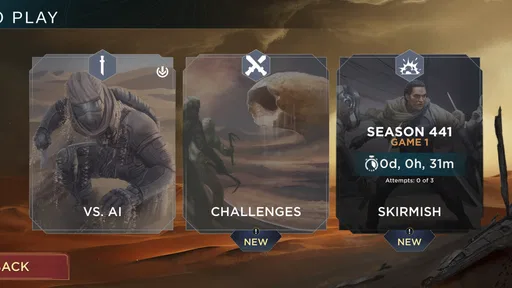
The choice between AI and online opponents changes the feel of a session. Playing against the computer is useful when I want to practice at my own pace and test a new approach without the social pressure of a live match. Human competition is better when the appeal is reading unpredictable decisions and adapting to another person, rather than simply learning the rules. I would not treat either mode as a substitute for the other: practice can build confidence, while people make the contest less predictable.
If you are new to this style of game, starting with the tutorial and then taking a few low-pressure games is more sensible than expecting an early win. The goal at first is to understand why a move works, not to execute an elaborate strategy perfectly. Experienced tabletop players may pick up the broad rhythm quickly, but they should still take time to learn how the digital interface presents choices and information.
Visuals and Sound
Visually, the game is a feast for the eyes. The artwork captures the essence of the Dune universe beautifully. From the iconic sand dunes to the intricate details of the characters and factions, everything is crafted with care. The sound design complements the visuals perfectly, with a soundtrack that draws you into the epic world of Dune.
That presentation helps the world feel coherent, but it is not the main reason I would recommend the game. For me, the lasting appeal is the decision-making; the art and sound set the mood while I consider what to do next. If you mainly want a passive Dune-themed experience, this may feel too demanding, because its central pleasure comes from actively managing competing plans.
Where it sits among board games
Compared with casual board-game apps built around simple turns and quick rewards, this one asks for more attention and planning. It is closer to the kind of tabletop strategy game where a small choice can affect several later turns. That depth is a strength for players who enjoy weighing options, but it also creates a learning curve that a light card game or straightforward digital board game avoids.
It also differs from gathering around a physical board: the digital format is convenient for playing on a device and offers AI and online competition, while a tabletop session can be a better fit when the main goal is face-to-face conversation. I would choose this app when I want the strategic contest itself, and a simpler party game when I want everyone to join immediately without much explanation.
Who is likely to get their money’s worth?
I’d put it on the shortlist for people who already like deck-building, worker placement, or games where plans have to bend around an opponent’s move. Dune fans may enjoy seeing the setting reflected in the experience, but knowing the fiction is not the same as enjoying strategic play; the rules and decisions are the main commitment. If you want a thoughtful game to revisit rather than a brief distraction, the paid model may feel reasonable over time.
I’d skip it if you want a free-to-start option, dislike learning rules, or usually play in tiny bursts with frequent interruptions. It is also not my first pick for a group that wants instant, casual fun. The board-game category covers everything from light fillers to demanding strategy titles, and this clearly leans toward the latter. Match that style to your habits before deciding whether the purchase is right for you.
Dire Wolf Digital developed the game, which is rated for Everyone 10+ and has a 4.8 average from around 7,900 ratings, alongside 279 written reviews. It has over 10,000 installs, and version 3.3.6 lists Android 9 as the minimum operating-system requirement. Those details make it easier to judge whether your device and age-rating expectations fit, while the price and the game’s strategic focus remain the bigger questions for most buyers.
Why You Should Check It Out
If you’re still on the fence about trying out Dune: Imperium Digital, here’s why you should give it a shot. The game offers a deep and engaging experience that’s perfect for strategy lovers. It’s not just about outsmarting your opponents; it’s about immersing yourself in a narrative that’s as rich as the spice itself.
Moreover, the game does a great job of incorporating elements from the Dune lore, making it a treat for fans of the franchise. Whether you’re negotiating alliances or plotting your next move, every action feels meaningful and satisfying.
Final Thoughts
In conclusion, Dune: Imperium Digital is a must-play for anyone who enjoys a good strategy game. Its blend of mechanics, stunning visuals, and immersive sound design make for an experience that’s hard to put down. Whether you’re new to the Dune universe or a seasoned veteran, there’s plenty to explore and enjoy. So, grab your device, dive into the sands of Arrakis, and may your strategies be as sharp as a crysknife!
Pros
- Engaging strategic gameplay.
- Rich
- thematic storyline.
- Smooth and responsive controls.
- Multiplayer mode available.
- Visually stunning graphics.
Cons
- Requires constant internet connection.
- Steep learning curve for beginners.
- In-app purchases can be pricey.
- Occasional performance lags.
- Limited tutorial guidance.
FAQs for Dune: Imperium Digital
What is Dune: Imperium Digital about?
Dune: Imperium Digital is a strategic board game adaptation set in the iconic Dune universe. Players assume the roles of leaders vying for control of the desert planet Arrakis. The game combines deck-building and worker placement mechanics to create a competitive experience where players must strategically manage resources, alliances, and military power.
Is Dune: Imperium Digital suitable for beginners?
While Dune: Imperium Digital offers a rich strategic experience, it may present a steep learning curve for beginners. The game involves complex mechanics and strategic planning. However, tutorials and in-game guides are available to help new players learn the ropes and enjoy the game progressively.
Can Dune: Imperium Digital be played offline?
Yes, Dune: Imperium Digital includes an offline mode that allows players to enjoy the game without an internet connection. This feature is ideal for solo play against AI opponents or when a stable internet connection is unavailable, ensuring uninterrupted gameplay.
What platforms is Dune: Imperium Digital available on?
Dune: Imperium Digital is available for both Android and iOS devices. Players can download the app from Google Play Store or Apple App Store, ensuring compatibility with a wide range of smartphones and tablets for a convenient gaming experience on the go.
Are there in-app purchases in Dune: Imperium Digital?
Dune: Imperium Digital may offer optional in-app purchases to enhance gameplay, such as expansion packs or cosmetic upgrades. While these purchases can enhance the experience, they are not necessary to enjoy the full game, allowing players to choose based on their preferences.


